


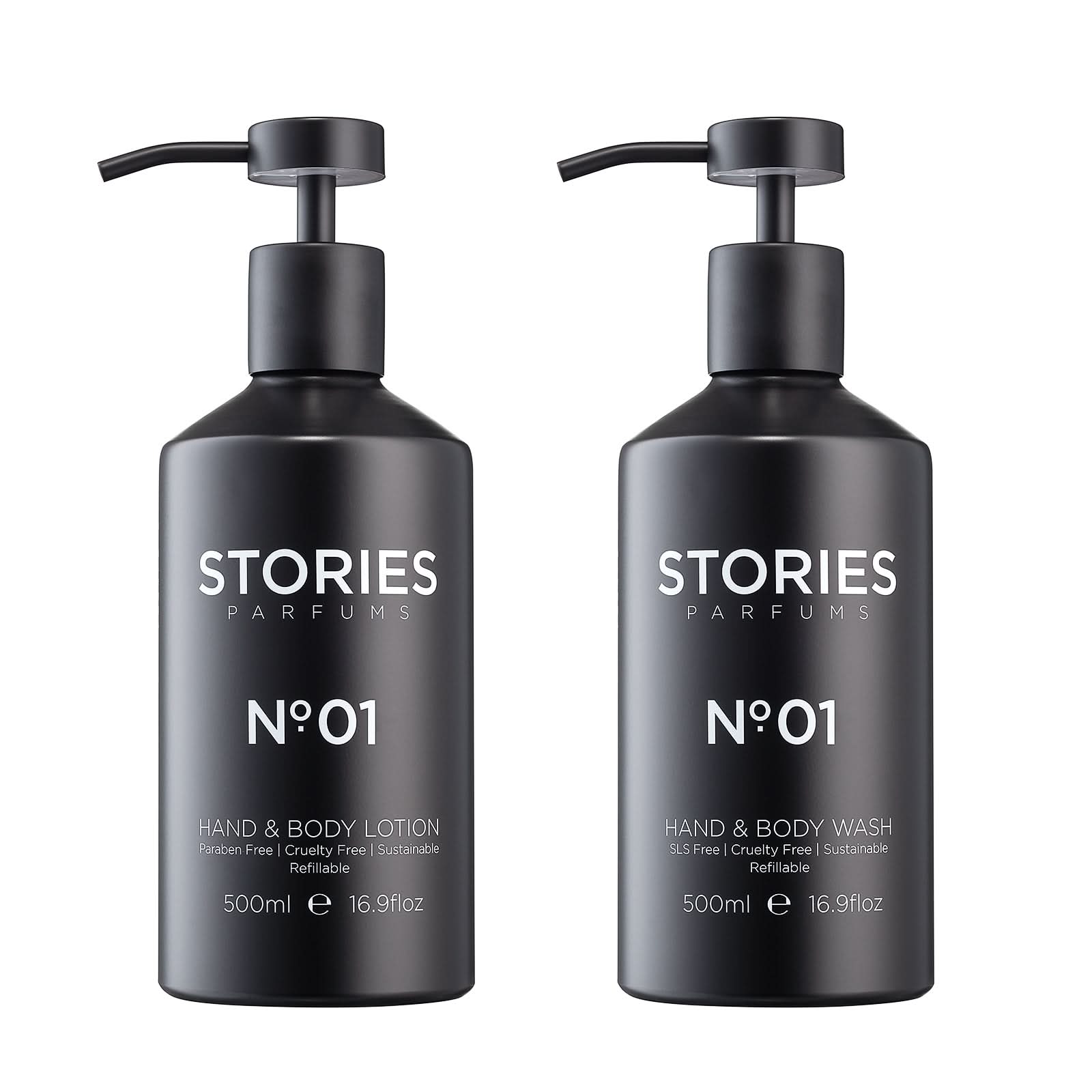
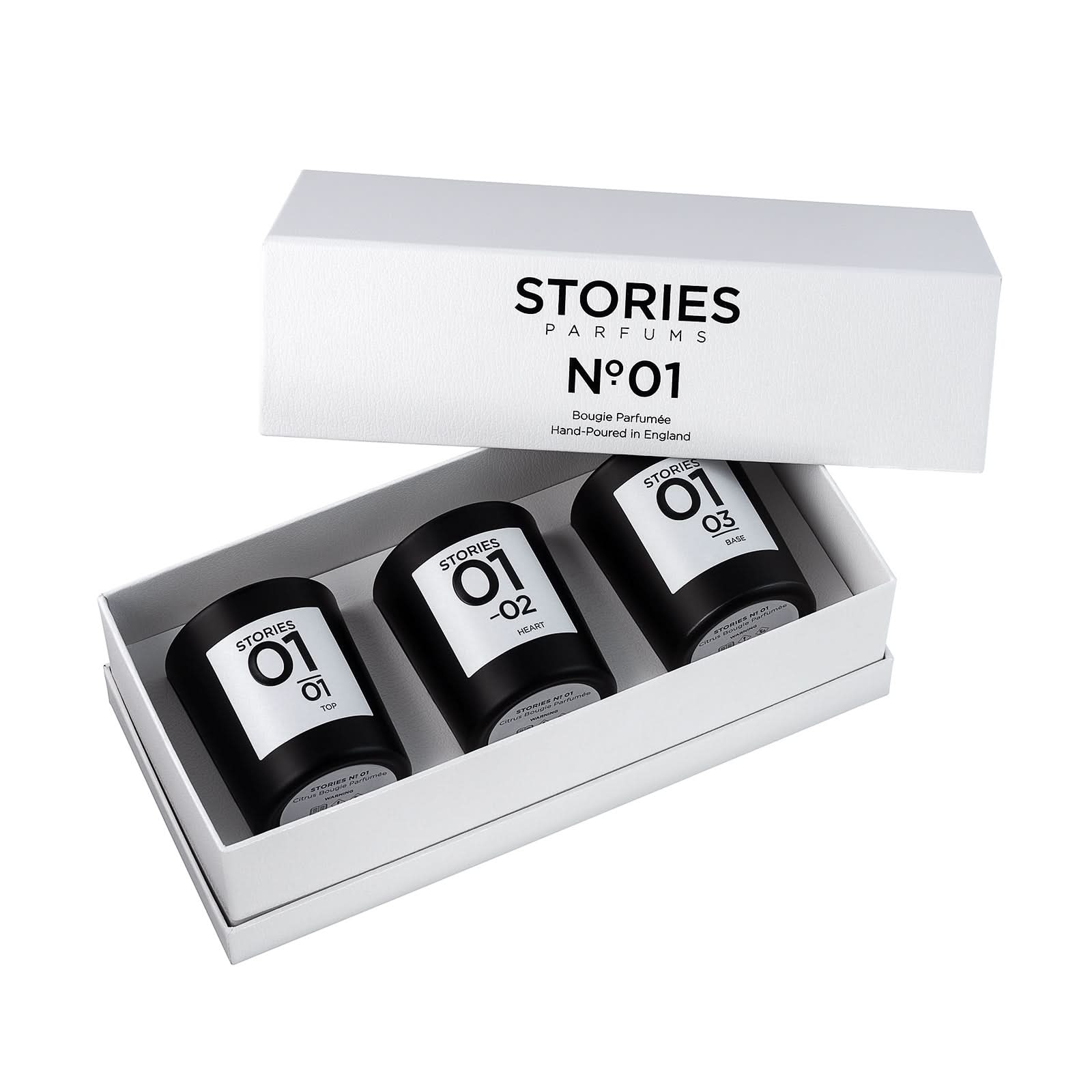
Numbered, not named
Every other fragrance house tells you what you are about to smell. We decided not to.
What blind smelling is
I trained at a perfumer's organ in Grasse, surrounded by more than two hundred raw materials. The first discipline taught there is blind smelling: you are handed a blotter and asked what you find, with no name, no label and no expectation.
It is harder than it sounds, and it is humbling. You reach for words that do not quite fit. You say warm when you mean dry. And then somebody tells you what it was, and you feel the whole impression rearrange itself around the name.
That rearranging is the problem.
Why names get in the way
When you know something is a rose, you are no longer experiencing it. You are filtering it through everything you already believe a rose should smell like — your grandmother's garden, a bathroom soap, a bouquet from someone who let you down. The material never gets a fair hearing.
I arrived in Grasse with a firm list. Notes I was sure I liked. Notes I was sure I did not. Patchouli was on the wrong list. So was tobacco. Smelled blind, they were among the materials I loved most, and both of them are in STORIES Nº.02 now.
Had I read the label first, I would have walked past them.
So the bottles carry numbers
Not as a design decision, though people often assume it is. A number tells you nothing. It cannot flatter you, it cannot promise you a mood, and it cannot tell you who this fragrance is supposed to be for. It leaves the space empty so that you can put yourself in it.
Scent is wired directly to the limbic system, where memory and emotion form. It reaches you before language does — which is why a fragrance can move you a full second before you have worked out what is in it. A name arrives too early and interrupts that.
The only story that matters is the one it creates in you.
How to smell blind, at home
Do not read anything first. Not the notes, not the description, not the reviews. Come to it with nothing.
Put it on skin, not paper. A blotter shows you the shape of a fragrance. Your skin shows you what it will actually be.
Give it an hour before you decide. The Opening is the introduction and it is gone within minutes. The Heart is where you will spend your day. Judging a fragrance at the counter is judging a person by their coat.
Write down what surfaces, not what it smells of. This is the part people find strange and then cannot stop doing. Not citrus, woody — but a kitchen, a particular July, my father's car. That is the information worth having.
Then, and only then, read the notes. They will make more sense, and you will have had the experience first.
Two, read blind
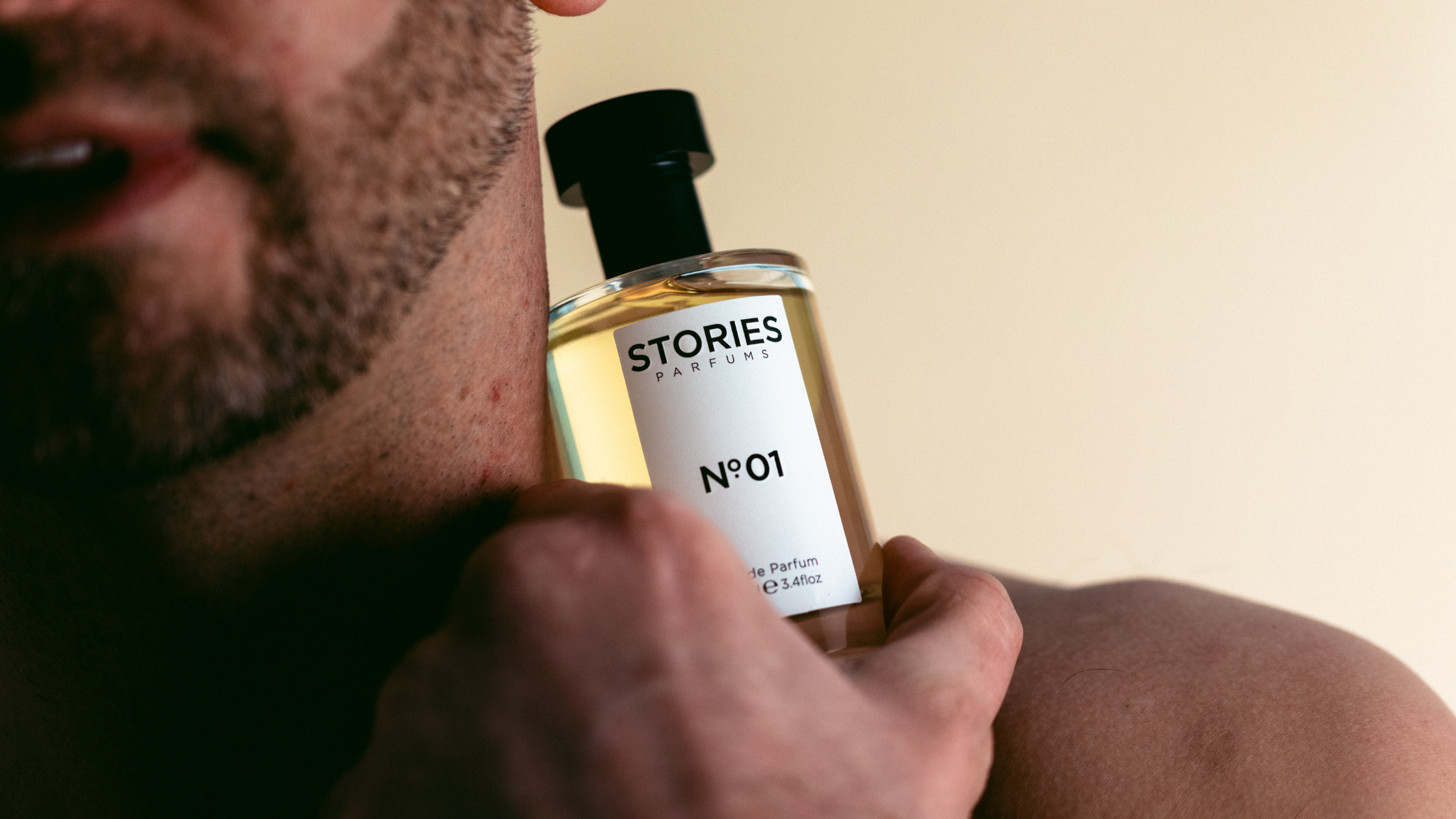
STORIES Nº.01 is fresh and luminous. Citrus, fresh, woody.
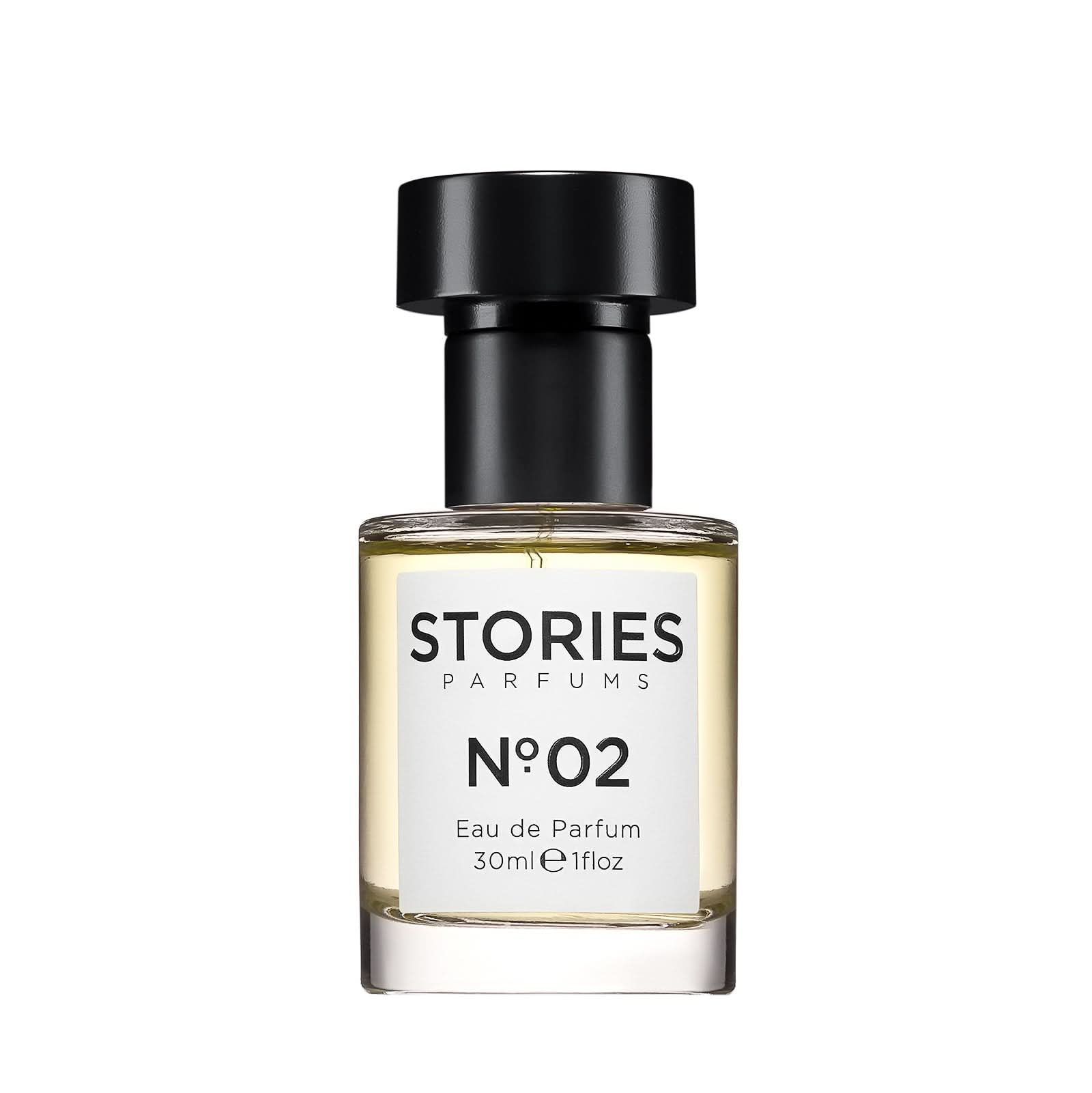
STORIES Nº.02 is bold and enveloping. Warm, spiced, woody.
That is deliberately almost nothing to go on. Most people know within a minute which one is theirs, and it is rarely the one they expected when they read the descriptions.
We do this in person too, at STORIES Scent Society Gatherings — blind smelling, then quiet, then a notebook. People arrive to buy perfume and leave having remembered a grandmother's kitchen. That is not a bonus. That is the whole point.
THE SCIENCE, SOUL & STORY OF FRAGRANCE
Featured Products


Written by Tonya Kidd-Beggs


Leave a comment
This site is protected by hCaptcha and the hCaptcha Privacy Policy and Terms of Service apply.